PMSM Speed Increase: Changes and Impacts
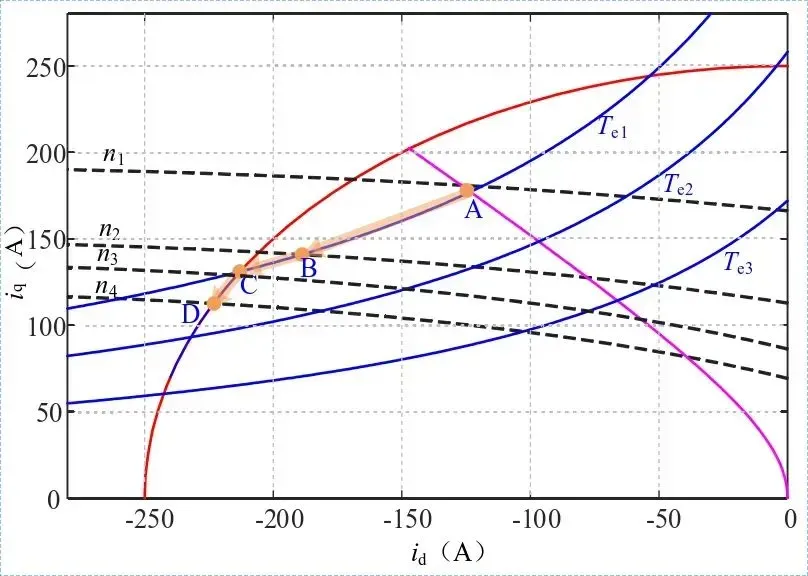
Technical overview of full-speed-range vector control for PMSMs, detailing MTPA, field-weakening and constant-power stages, and torque, current and voltage constraints.
Industrial Control systems form the backbone of modern manufacturing and automation, enabling precise management of machinery, processes, and environments across diverse sectors. In this category, we delve into the intricacies of designing, implementing, and optimizing control solutions that integrate PCBs, sensors, actuators, and embedded software. From programmable logic controllers (PLCs) to advanced SCADA systems, Industrial Control encompasses technologies that ensure reliability, efficiency, and safety in high-stakes operations. Our articles provide comprehensive guides on essential topics, such as selecting robust components for harsh industrial environments, troubleshooting common failures in control circuits, and incorporating IoT connectivity for real-time monitoring. Tutorials walk through practical steps for building custom control panels, while insights explore emerging trends like edge computing and AI-driven predictive maintenance. Best practices focus on compliance with standards like IEC 61131 and strategies for minimizing downtime, helping engineers and technicians enhance system performance and longevity. The practical value of Industrial Control lies in its direct impact on real-world applications, from automating assembly lines in automotive plants to regulating temperature in chemical processing facilities. By addressing challenges like electromagnetic interference and power management in PCB layouts, this category equips professionals with actionable knowledge to tackle complex projects. Readers will find a wealth of resources that bridge theoretical concepts with hands-on implementation, fostering innovation in fields such as robotics, energy management, and smart factories. Whether you are refining existing systems or embarking on new designs, the content here offers in-depth perspectives to advance your expertise. Articles cover everything from basic relay logic to sophisticated distributed control architectures, ensuring a broad understanding of how these technologies drive productivity and sustainability in industrial settings.
Technical overview of full-speed-range vector control for PMSMs, detailing MTPA, field-weakening and constant-power stages, and torque, current and voltage constraints.
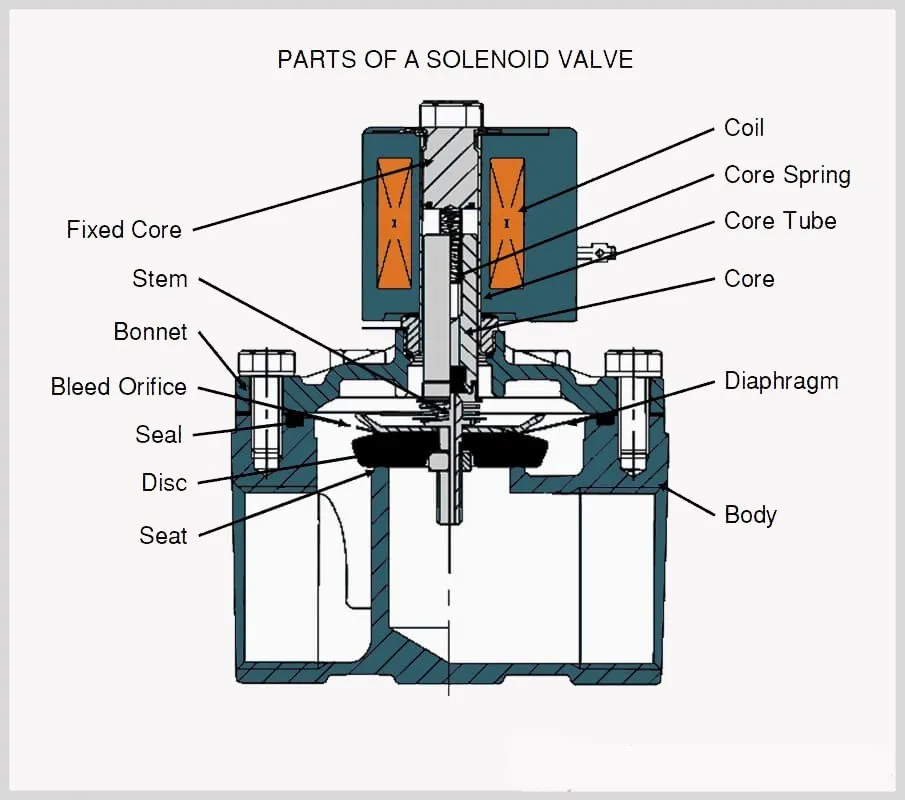
Overview of solenoid valve groups, coil wiring and indicator polarity, single-acting vs double-acting operation, pneumatic connections and applications.
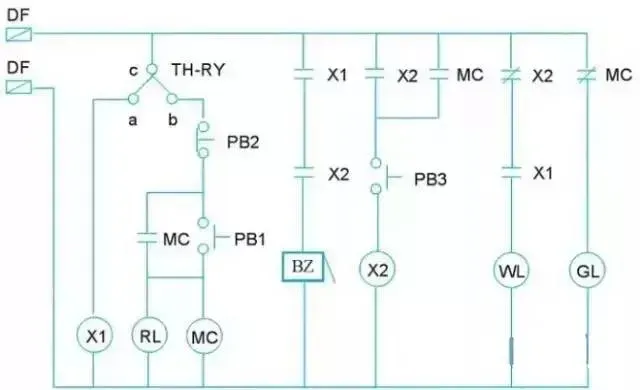
Guide to converting a three-phase induction motor fault alarm schematic into a PLC ladder diagram, with I/O assignment, wiring and program instructions.
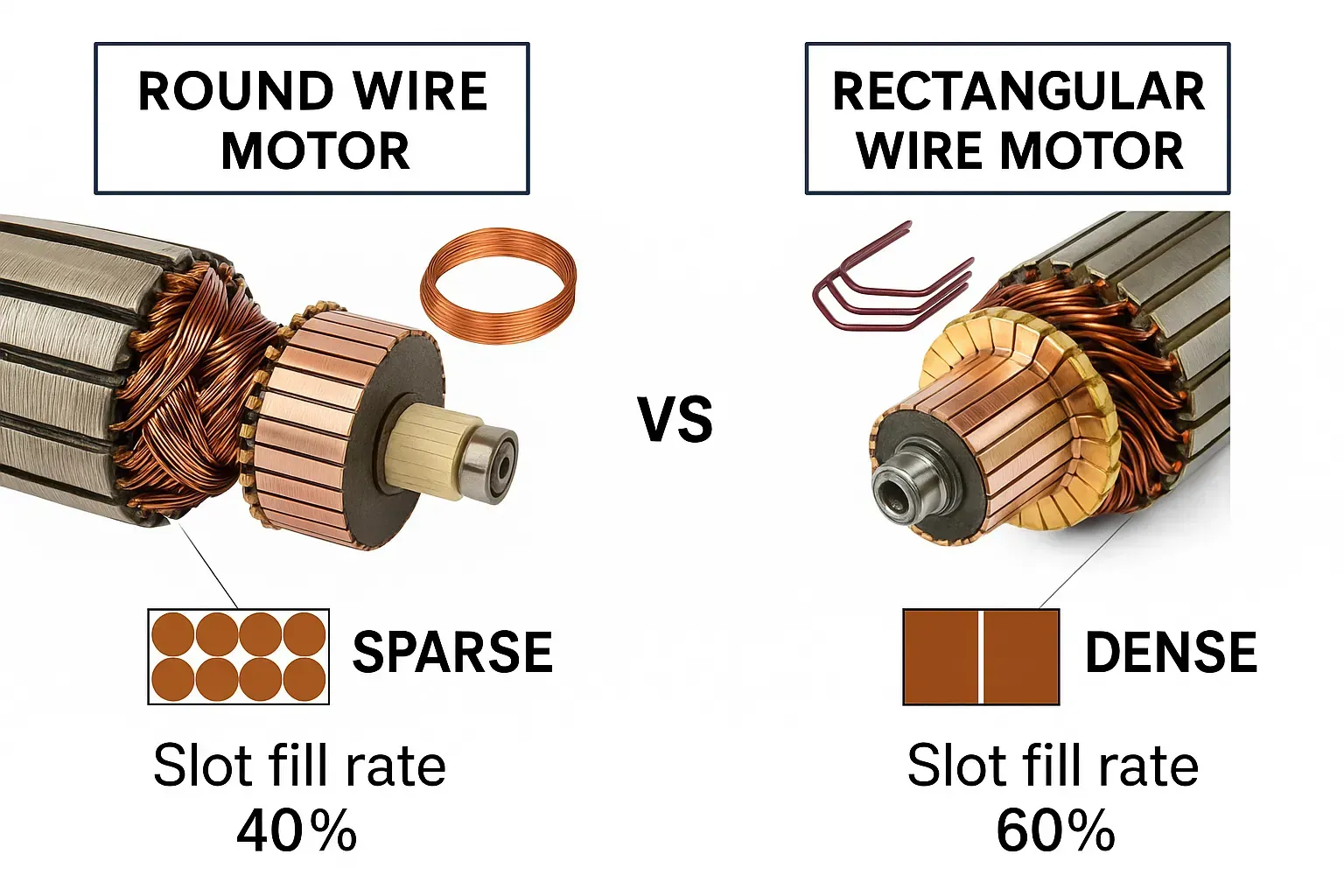
Overview of flat-wire motor advantages and automated production lines, detailing stator assembly, coil forming, insertion, welding, rotor processes and core equipment.
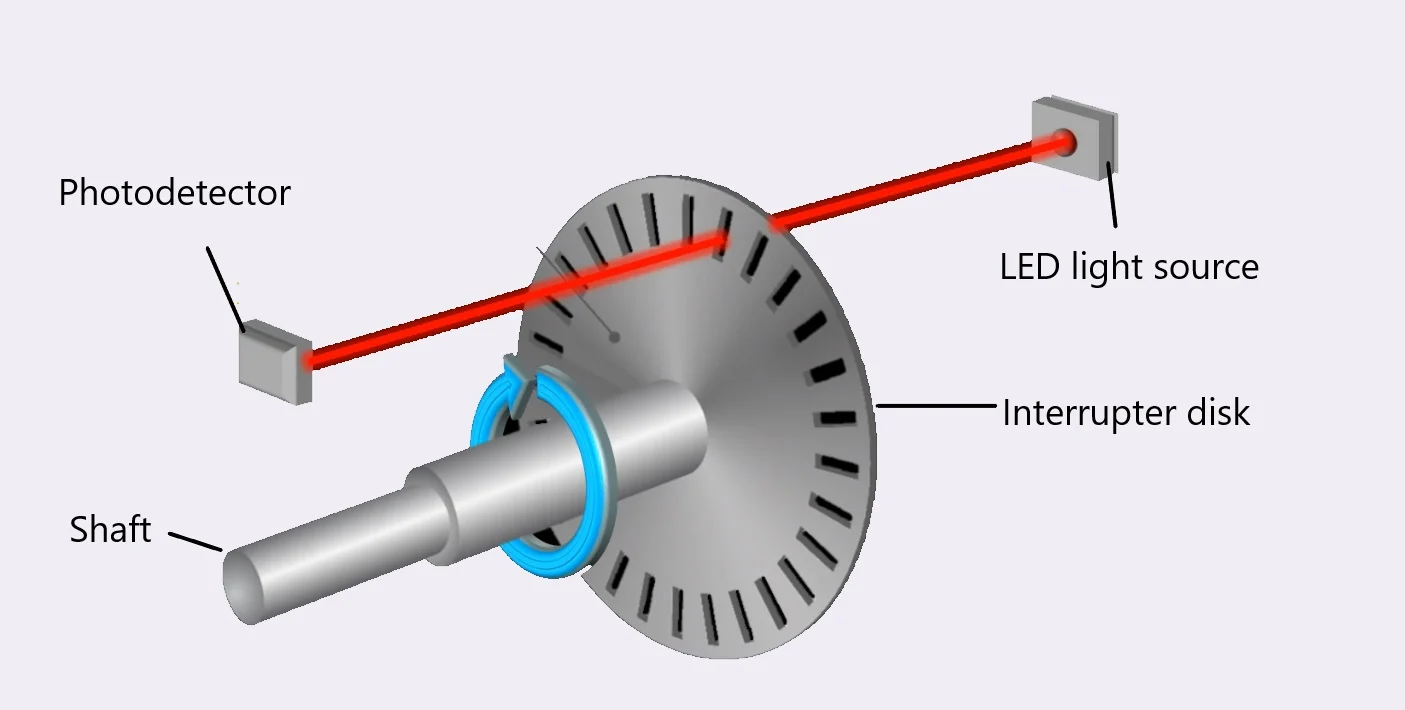
Technical overview of encoders, covering optical components, code disks, and operating principles of incremental and absolute encoders, with advantages, drawbacks, and usage notes.
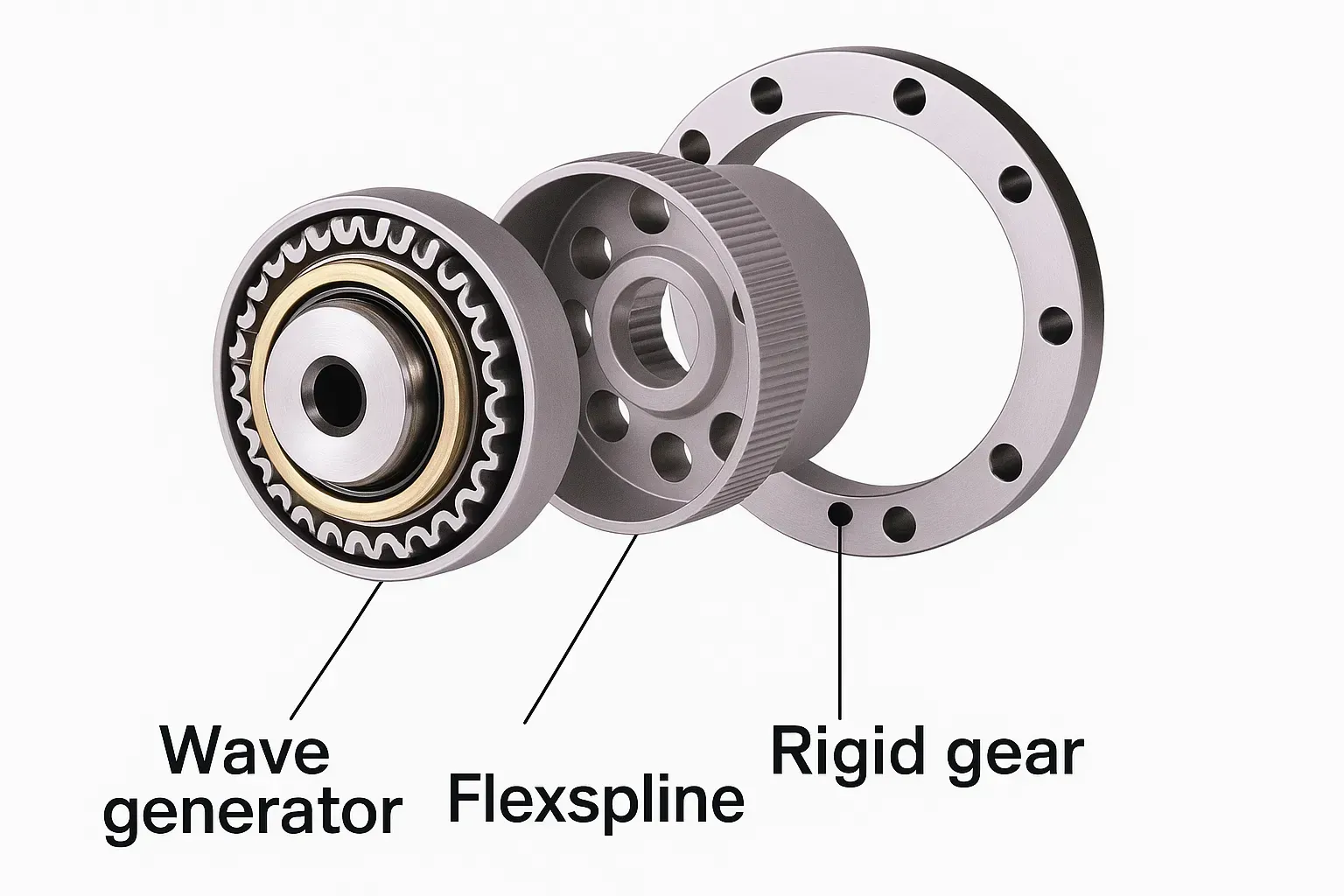
Overview of RV reducers and harmonic reducers used in 3?axis and 6?axis robot arms, comparing structure, reduction ratios, load capacity, and use with AC servo motors
AI image recognition for coal conveyor monitoring: real-time belt misalignment and tear detection, spillage/foreign-object alerts, structured-light vision and alarm management.
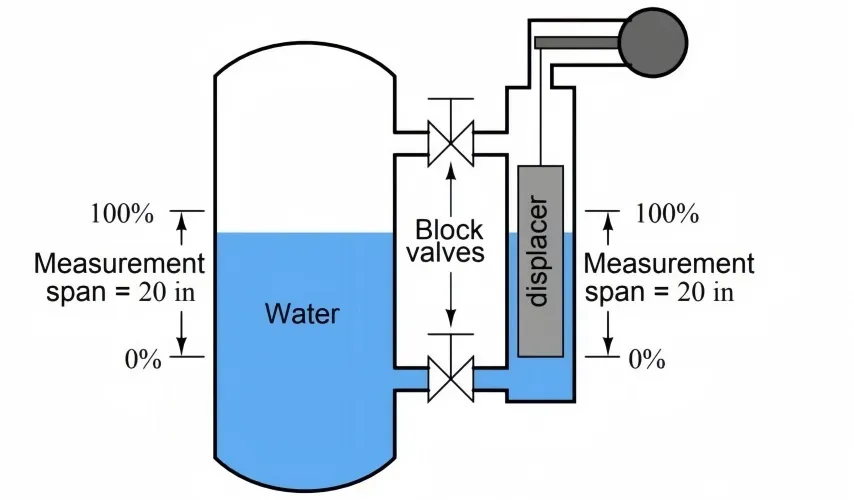
Float-drum level gauge working principle and structure, plus fault diagnosis and maintenance examples for common issues like stuck float, false readings.
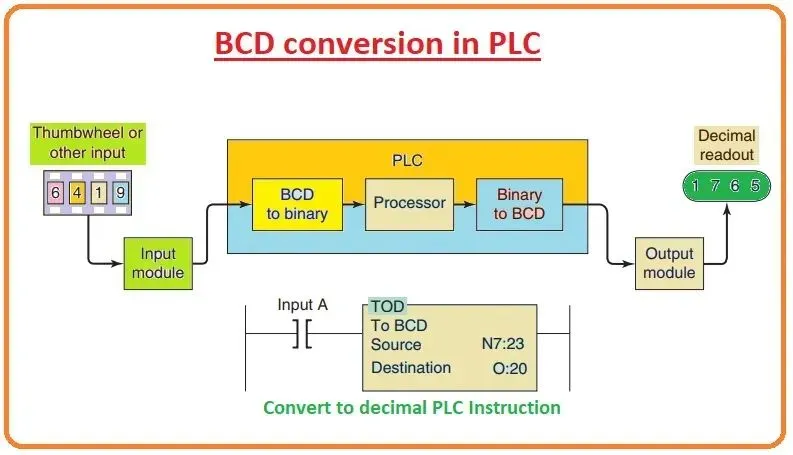
Technical overview of Binary-Coded Decimal (BCD), covering 8421 encoding, signed BCD ranges, PLC implementations and practical binary–decimal conversion for displays and software
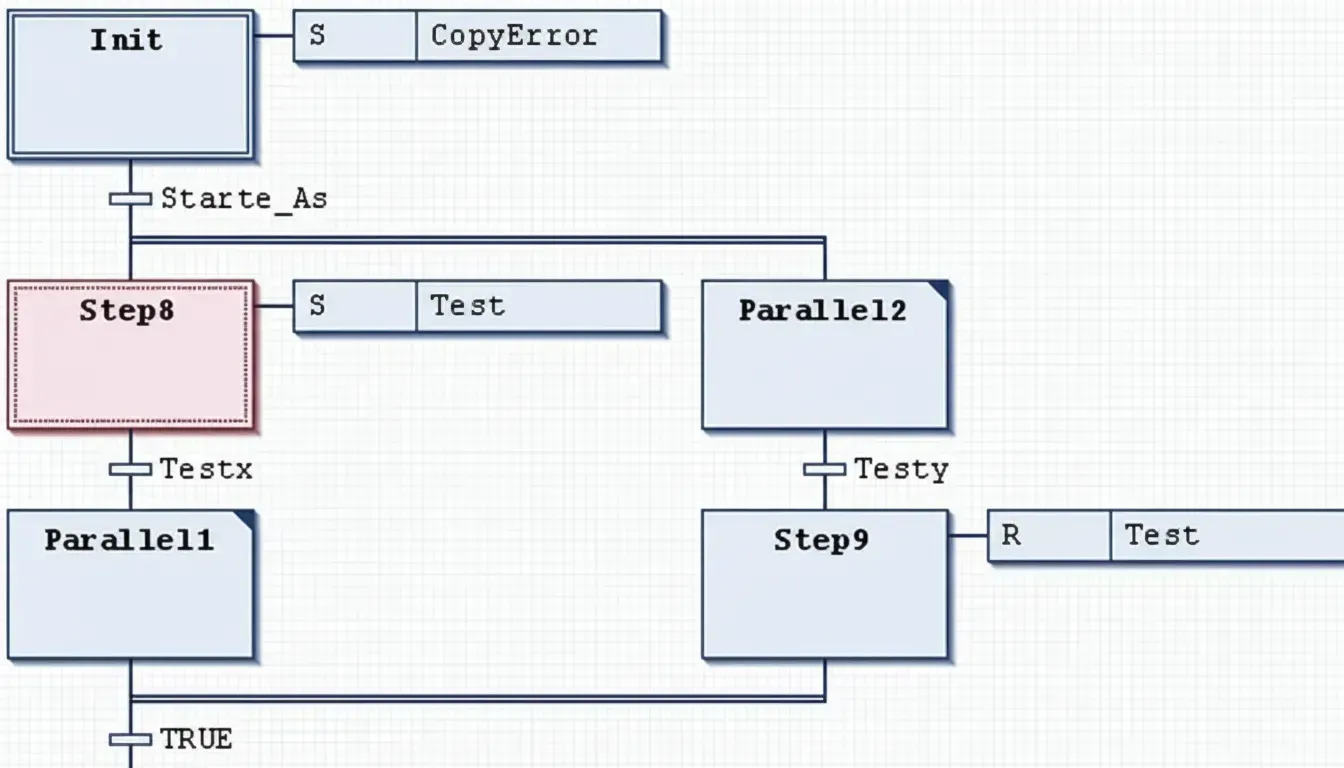
Practical guidance on designing clear, maintainable SFC (sequential function chart) programs: modular layout, transitions, handshakes, fault handling, and step timing.
Practical methods and formulas for calculating motor rated current and protective breaker sizing for single- and three-phase motors, with examples and connection notes
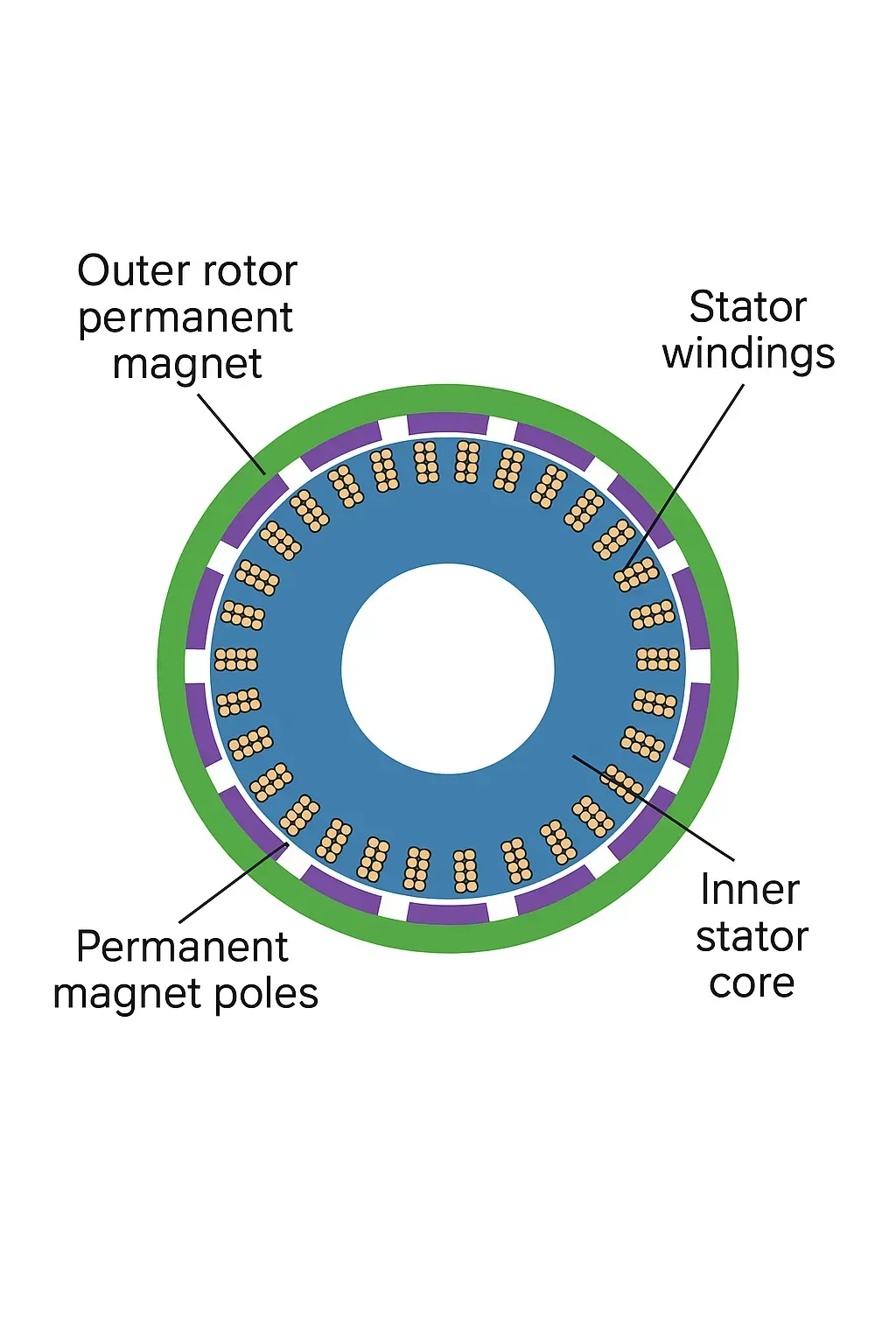
Technical comparison of inner-rotor vs outer-rotor permanent magnet motors: rotor/stator layouts, speed, axial size, trade-offs, and direct-drive outer-rotor wind-turbine design.